
Rents are starting to rise as landlords and lettings agents prepare for the tenant fee ban.
ARLA Propertymark’s February Private Rented Sector (PRS) Report found the proportion of agents reporting tenants experiencing rent rises increased to 34% last month.
This was up from 26% in January and the highest rate since the record high of 40% reported by member agents last August.
Year-on-year, this figure is up 14 percentage points, from 20% in February 2018.
In line with this, the number of tenants successfully negotiating rent reductions fell from 2.5% to 2.3% between January and February, ARLA Propertymark said.
Member agents also reported an increase in landlords exiting the market, at four per branch compared with three in January, while new listings were flat at 197 per branch.
Meanwhile, demand from prospective tenants fell in February to 65 per branch on average, compared with 73 a month before.
David Cox, chief executive of ARLA Propertymark, said: “We warned this would happen, as landlords continue exiting the market and increasing legislation deters new ones from entering.
“The Chancellor’s Spring Statement included a number of initiatives aimed at growing housing stock for buyers, but it didn’t offer any solutions to increase the supply of properties in the private rented sector.
“Unless the Government commits to making the prospect of investing in the sector more attractive, and introduces measures to increase supply, tenants will only continue to feel the burn.”
Meanwhile, a tenant fee ban moved closer in Wales after the Renting Homes (Fees etc) (Wales) Bill passed its final hurdle in the Welsh Assembly.
The Bill will receive Royal Assent in the coming weeks, before being passed into law and implemented in Autumn 2019.
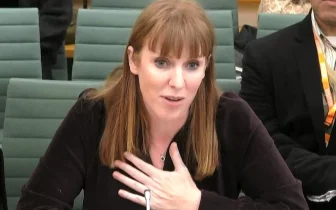
Julie James, housing and local government minister at the Welsh Assembly, said: “The Bill rebalances the relationship between tenant, agent and landlord, removing any doubt about which costs need to be budgeted for when renting.”



Comments (3)
Julie James seems to be another policitican using standard strap lines and does not know what it is all about. I am sure she has been “Very Clear” like every other useless politican with the same old banter.
Draconian attitude is always received with a negative response. They have entered the realms of state take over of PRS. shameful and is it no surprise that more and more landlords, the majority of which are “amateur landlords” are bailing out. They are making the situation worse for tenants, not better. Some people you can tell, but todays Politicians are more interested in their own agenda without any sense of what they are really doing ….. on any subject.
I think that there will be an issue that there is no capacity for the state to take over the void left by a shrunken PRS. Social Housing is scarce already. Once the fallout from a lack of rental supply hits home, I expect a rapid volte-face by those in charge at that point. The homeless situation in this country is already past crisis point. Shrinking the PRS will significantly add to it.